

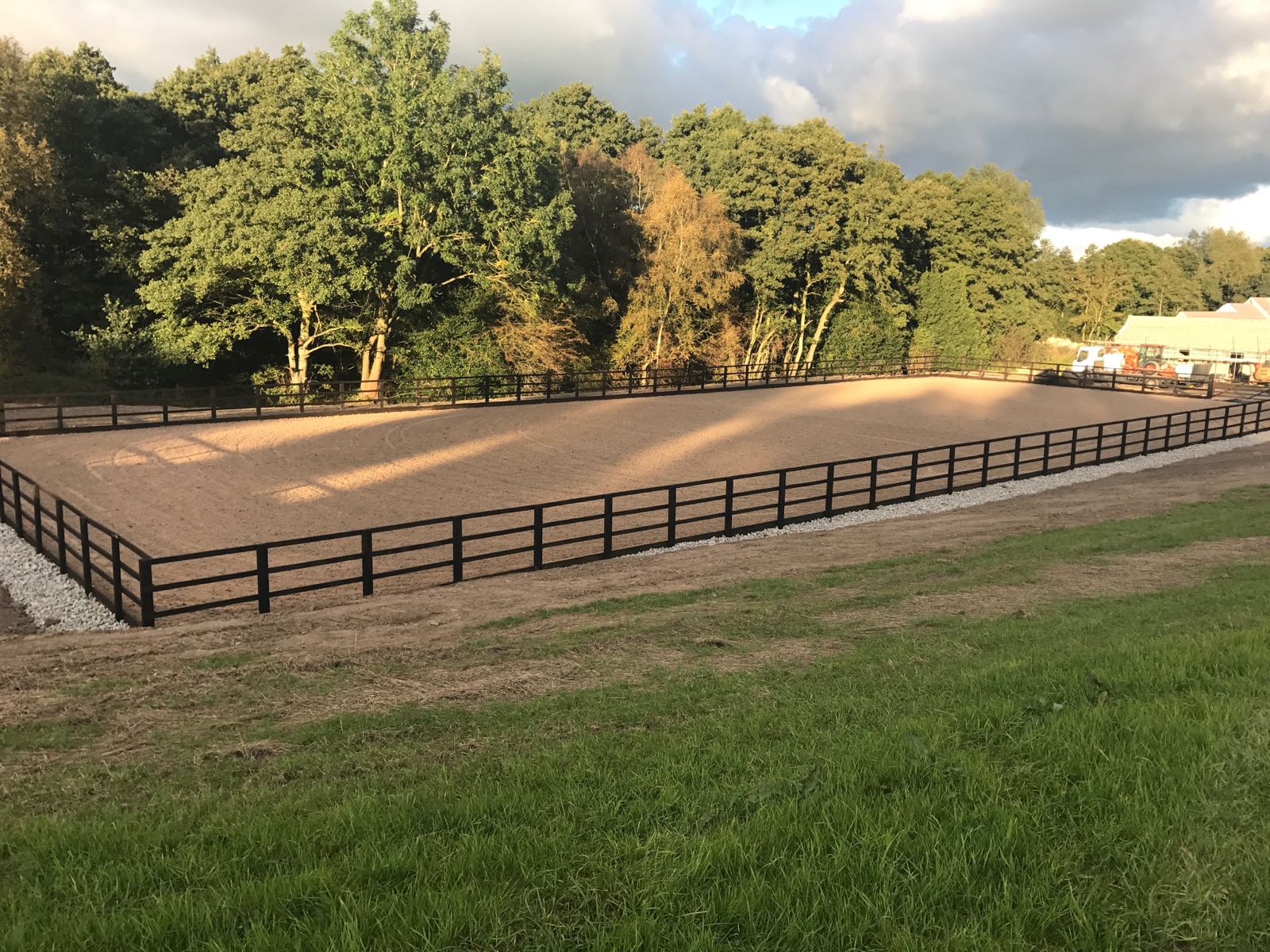
How Long Does an Equestrian Arena Surface Last?
Two arenas built the same year with the same materials can end up in completely different conditions five years later. One still rides consistently in all weather. The other has gone dusty, patchy and hard underfoot. The difference almost never comes down to luck, it comes down to a handful of factors that every riding arena is exposed to and how well each one is managed.
This guide walks through those factors one by one, what good equestrian arena maintenance actually involves and the equipment that makes it possible.
1. How Much the Arena Is Actually Used
Usage is the most obvious factor, but it’s worth being specific about. It’s not just how many horses use an arena, but how they use it. A surface schooling several horses a day, particularly with a lot of canter or jump work, will wear unevenly and far faster than one used occasionally for hacking or light schooling. The outside track and any area used repeatedly for the same exercise, like a jump landing zone, will always show wear before the rest of the arena.
2. The Weather It’s Exposed To
Outdoor arenas in the UK deal with two opposite problems across the year. Dry spells pull moisture out of the surface, causing it to loosen and become dusty. Wet periods do the reverse, saturating the footing and testing whether the drainage underneath is actually doing its job. A surface that only copes well with one of these extremes isn’t being properly maintained for the other.
3. What the Surface Is Actually Made Of
Sand on its own relies almost entirely on moisture content to stay stable, which is why sand-only surfaces are more prone to sudden changes in how they ride. Blending sand with a stabiliser fibre gives the surface something to hold its structure with, independent of moisture levels and makes it far more resilient across weather extremes. We’ve gone into this in more depth in creating the perfect surface.
4. What’s Underneath the Footing
The visible surface is only half the story. Groundwork, base layers and drainage sit beneath it and if any of those are inadequate, no amount of maintenance on the footing above will fully compensate. This is usually where the most expensive problems originate and why arenas that look fine on top can still develop serious issues underneath.
5. Whether It’s Actually Maintained
This is the one factor that’s entirely within an owner’s control and it’s usually what separates two similar arenas years apart. A consistent horse arena maintenance routine, harrowing, watering, debris removal and periodic checks, does more to protect a surface than almost anything decided at the construction stage.
What Does Equestrian Maintenance Actually Involve?
In practice, a proper maintenance routine comes down to a short list of jobs, carried out regularly rather than occasionally:
Harrowing redistributes sand and fibre evenly and stops the top layer compacting or drying out unevenly. Watering keeps the surface bound together, particularly important in dry weather when dust becomes a problem. Clearing manure and debris prevents organic matter from breaking down the footing over time. Checking drainage after rain flags up base or membrane issues before they become serious. Periodically checking sand and fibre levels catches material loss before it affects how the surface rides.
Our guide to horse arena maintenance covers each of these in more detail, including recommended frequency.
The Equipment Behind a Good Routine
None of the above is possible without the right equestrian arena maintenance equipment. Having the right kit genuinely changes how effective a routine is.
A harrow or leveller is the core tool for most yards, used to redistribute footing and break up compaction. Smaller or lower-traffic arenas can often manage with a simple drag harrow, while busier surfaces tend to need a tine-and-roller combination to keep up.
A watering system, whether that’s a mobile bowser, fixed irrigation, or something as simple as a hose and sprinkler, is essential for dust control and keeping the footing bound in dry conditions.
A manure rake or vacuum handles the daily job of clearing debris, which is straightforward but has an outsized impact on preventing contamination of the footing.
A depth checker is a small but useful piece of horse arena maintenance equipment, letting you confirm footing depth is consistent and that the base hasn’t started showing through in high-wear spots.
Which combination makes sense depends on arena size, usage and surface type and it’s something we’re happy to advise on during a site visit.
When Maintenance Reaches Its Limit
Even a well-maintained surface will eventually need more than routine upkeep, whether that’s re-levelling, a material top-up, or extra fibre reinforcement. Our guide on how to spot signs of wear and tear in your arena surface explains what to look for and 4 signs it’s time to upgrade your equestrian surface will help you work out whether that point has been reached.
Talk to a Specialist
Combi-Ride has supplied more than 2,000 equestrian surfaces across the UK over more than 20 years and our equestrian arena maintenance service exists to help owners get more out of the surfaces they already have. If you’d like an honest read on how your arena is holding up, and what it actually needs, book a site visit with our team.