

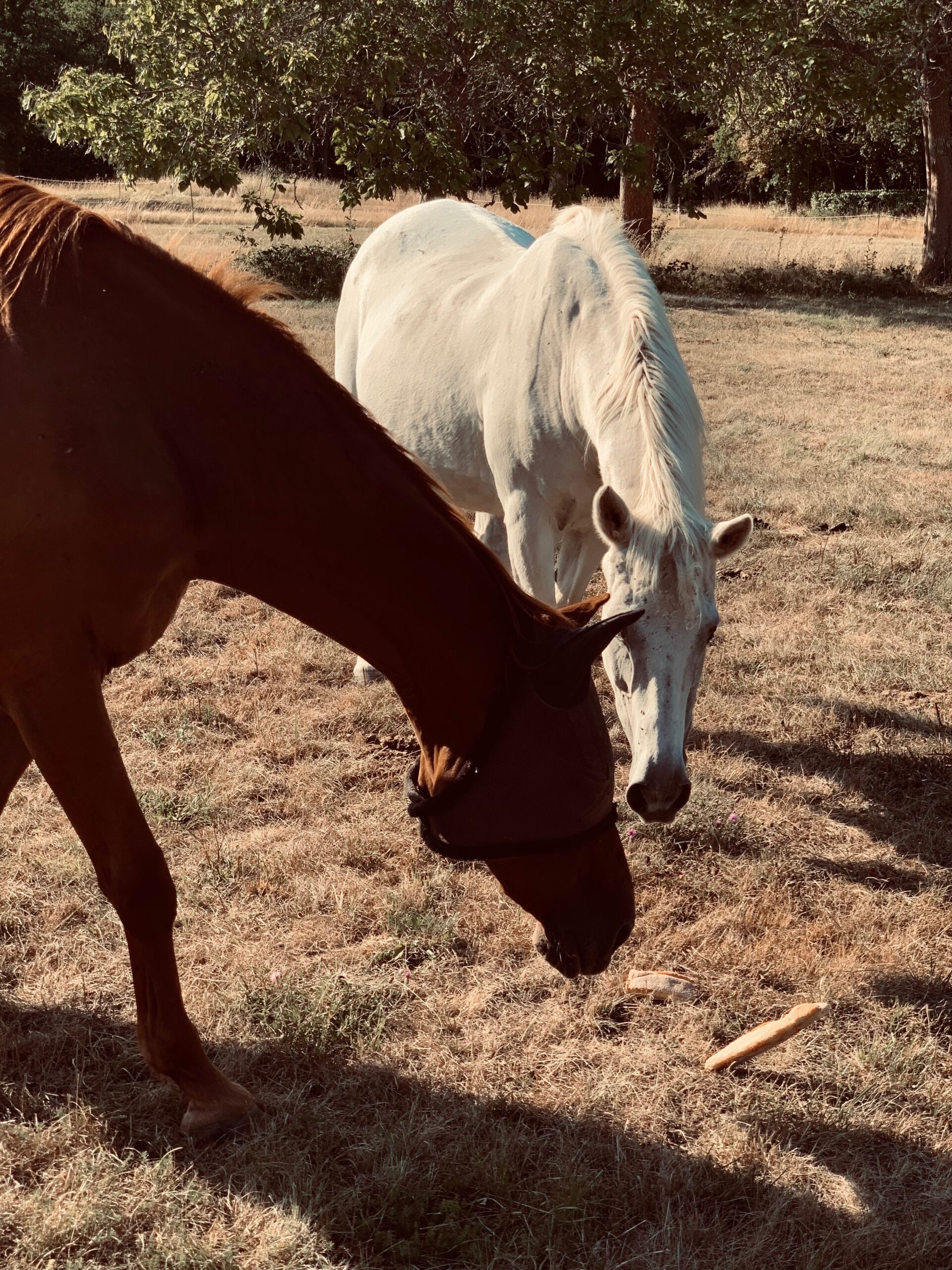
Spooking in the Arena: Behaviour Patterns and How the Footing Plays a Role
Every rider knows the moment: a sudden skip sideways, a snort, a head flung up and a horse who is suddenly very sure that the far corner of the area is hiding something terrifying. Horse spooking in the arena is one of the most common frustrations in schooling. It is usually explained away as ‘just being silly’ or put down to the wind, the flapping bag or the new jump filler.
Spooking is not always about what the horse sees. Sometimes it is about what the horse feels. Before reaching for a new training plan, it is worth asking a simple question: is the footing giving your horse a reason to be unsure? The link between arena footing and spooking is one of the most overlooked.
Why Do Horses Spook?
Horses are prey animals, which is the root of why horses spook: their first instinct when something feels wrong is to move away from it quickly. A spook is that instinct in action. It might be triggered by an unfamiliar sight or sound, but it can also be triggered by anything that makes the horse feel unbalanced, unstable or unable to trust where they are putting their feet.
A horse that does not feel secure underfoot has less capacity to stay calm when something unexpected happens. Confidence in the ground is the foundation for confidence in everything else.
Common Spooking Behaviour Patterns in Horses
Spooking that looks random often follows a pattern. Keeping a mental (or written) note of when and where it happens can reveal a lot.
The same spot, every time
Horses notice even tiny changes underfoot. A section of the arena that is deeper, firmer or stickier than the rest can make a horse tense up, shorten their stride or shy away as they approach. What looks like fear of a corner may in fact be wariness of the ground in it.
Spooking at the far end or along one long side
Surfaces that are uneven from one area to another force a horse to keep adjusting their balance. A horse who is working harder to stay balanced on one side may drift in, fall out through the shoulder or react more strongly to small distractions there.
Tension that builds as the session goes on
Horses who are unsure of their footing often start tense and get tenser. Hesitation, a shortened stride, a stiff back or a reluctance to go forward can all be early signs that the horse is not comfortable.
Worse in certain weather
If spooking increases after heavy rain or in a dry spell, the surface may be changing with the conditions: becoming slippery, waterlogged, dusty or loose.
Reluctance to bend, turn or land
Slipping, or a hoof that grips too much and cannot rotate naturally, can make a horse anxious about turning and jumping, even if they cannot say so any other way than by reacting.
How Arena Footing and Spooking Are Linked
Inconsistency
Horses perform best when every step feels predictable. Rough patches, ridges, dried-out corners and areas where the surface has migrated all make each stride feel slightly different. The horse has to keep adjusting their posture and stride length, and a horse who is constantly adjusting is a horse who is on edge. When something then catches their attention, they have far less tolerance to stay calm.
This is why regular maintenance matters. Arena surfaces naturally shift and compact with use and weather. Frequent light levelling, prompt removal of manure and controlled watering in dry periods all help keep the depth even and the surface stable, which in turn helps the horse feel settled.
Depth
A surface that is too deep makes it harder for a horse to bring their hind legs underneath their body. They tend to tip onto the forehand and feel heavy and unbalanced, which is not a state in which any horse feels brave. A surface that is too hard offers little cushioning, and horses may stiffen through the back and shorten their movement.
Both extremes can lead to a tense, reactive horse. If your arena has become compacted, or is running too deep in places, it may be time to look at whether the surface needs topping up, reinforcing or reworking.
Grip
Traction has a direct effect on confidence. With too little grip, the horse may slip, lose confidence and become tense. With too much, the hoof cannot rotate naturally on landing, which increases strain on the legs and can make a horse reluctant and defensive. The aim is reliable, controlled traction that lets a horse feel secure enough to move forward and use their back.
Dust, Drainage and Weather
Dust in dry conditions affects comfort and visibility. Poor drainage leaves a surface waterlogged, heavy or slippery. Both can change how a horse feels from one day to the next, and a horse who cannot predict the ground cannot fully relax. A surface designed with good drainage and moisture control will behave more consistently in most weather conditions.
Sand-Only Versus Fibre-Stabilised Surfaces
Sand-only arenas can shift or compact unevenly over time. Stabiliser fibres bind with silica sand to improve structure, enhance traction and reduce movement within the surface. The result is more consistent footing, better shock absorption and less chance of deep or unstable patches developing. For horses who are sensitive to changes underfoot, that consistency can make a noticeable difference.
Why This Matters Beyond Behaviour
Uneven or unstable footing is not only a confidence issue; it is a soundness issue too. Surfaces influence how impact and loading are absorbed, and soft-tissue injuries such as tendon and ligament strain are among the most common reasons horses lose training and competition days. A horse who is reacting to the ground may be telling you about discomfort before it becomes a bigger problem.
Not sure whether your arena is part of the problem? Talk to a Combi-Ride equine specialist on 01623 239 875 for friendly, practical advice on your surface.
What to Do If Your Horse Is Spooking
- Look for patterns. Note where in the arena, at what time and in what weather the spooking happens.
- Walk the surface. Feel for variations in depth and firmness, especially in corners, along the track and near the gate.
- Check the basics. Is the arena regularly levelled, free of manure and watered appropriately in dry weather?
- Watch for warning signs of a tired surface. Uneven footing, overly compacted or excessively deep areas, reduced grip, or visible drainage layer all point to a surface that may need attention.
- Rule out other causes. Spooking can also be linked to pain, eyesight, diet, workload or environment, so talk to your vet, physio or trainer if the behaviour is new or persistent.
- Get a professional assessment. In many cases an arena can be rejuvenated with fibre reinforcement, top-ups or emulsion treatments rather than being fully rebuilt.
Final Thoughts
Not every spook is down to the surface. A horse that is fresh, excited or genuinely surprised will react no matter what they are standing on. But when horse spooking in the arena is repeated, localised or worsens with the weather, the footing deserves a close look. A stable, consistent and well-maintained surface helps horses feel secure, so they can focus on the rider rather than on the ground.
At Combi-Ride, we have over 20 years of experience helping riders and yards fix arena problems and create stable, supportive surfaces using specialist stabiliser fibres and silica sand blends, all manufactured in the UK.
If you suspect your arena is contributing to your horse’s behaviour, our team can advise on whether maintenance, reinforcement or resurfacing is the right solution.